


Understanding Your CIBIL Score: Impact on Loan Approval and Ways to Improve Creditworthiness
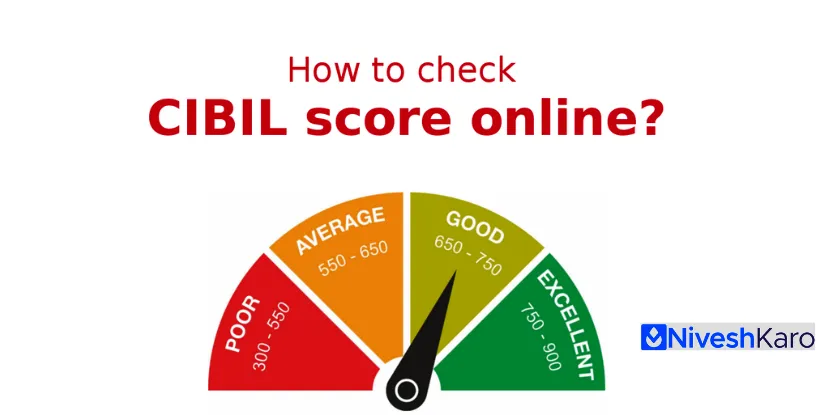
In the modern Indian economy of 2026, your CIBIL score has evolved from a mere "credit rating" into a fundamental financial identity. As lenders move toward hyper-personalized, algorithm-driven interest rates, your three-digit score directly determines whether you pay a "Prime Plus" interest rate of 8.2% or a "Subprime" rate of 12% on your home loan.
With the 2026 banking landscape becoming increasingly digital, credit bureaus like TransUnion CIBIL now update records almost in real-time. To navigate this system, you must understand that "good enough" is no longer 700. To secure the best financial products in 2026, you need a strategy that targets precision, history length, and a balanced credit mix.
1. The 2026 Score Matrix: Why "Prime Plus" is the New Benchmark
The traditional advice of "maintain a score of 700" is officially outdated in 2026. Banks have segmented their lending into highly specific risk brackets.
|
CIBIL Score Range |
Rating |
Impact on Loans in 2026 |
|
771 - 790+ |
Prime Plus |
Eligibility for "Lowest ROI" home loans; Pre-approved limits. |
|
730 - 770 |
Prime |
Standard approval; Moderate interest rates; Smooth processing. |
|
680 - 729 |
Average |
Stricter documentation needed; Higher interest rates (+1-2%). |
|
Below 650 |
Subprime |
High rejection risk; Only eligible for secured/gold loans. |
In 2026, the 771–790 range is the sweet spot. Lenders view this bracket as the highest tier of financial discipline, often offering "zero processing fee" waivers and the most competitive home loan rates available in the market.
2. Hard vs. Soft Inquiries: The 2026 Transparency Norms
A common myth persisting in 2026 is that checking your own score will lower it. It is vital to distinguish between these two types of inquiries:
- Soft Inquiry: When you check your own score via the official CIBIL portal or a fintech app, it is a "Soft Inquiry." This has zero impact on your score. In 2026, the RBI encourages monthly self-monitoring to prevent identity theft.
- Hard Inquiry: When you apply for a credit card or a loan, the bank pulls your report. This is a "Hard Inquiry." Each hard inquiry can dip your score by 5–10 points.
- 2026 Strategy: Avoid "window shopping" for loans. If you apply at five different banks simultaneously, the five hard inquiries in a single month signal to the system that you are "credit hungry," which can lead to a sudden score drop.
3. The 30% Utilization Rule: Boosting Your Score Instantly
If you are looking for the fastest way to improve your score in 2026, look at your Credit Utilization Ratio (CUR). This is the percentage of your total credit limit that you actually use.
- The Threshold: Lenders prefer a CUR of below 30%.
- The Math: If your credit card limit is Rs. 1,00,000 and your monthly spend is Rs. 80,000, your utilization is 80%. Even if you pay the full amount on time, the system flags you as high-risk because you are "maxing out" your available credit.
- Pro Tip: In 2026, instead of decreasing your spend, you can request your bank for a limit enhancement. If your limit increases to Rs. 3,00,000, that same Rs. 80,000 spend now represents a healthy 26% utilization, instantly boosting your score.
4. Credit Mix: Balancing "Secured" and "Unsecured" Debt
Your 2026 credit profile is judged on diversity. A person who only has five credit cards (unsecured debt) is viewed as more risky than someone who manages a home loan (secured) and a credit card together.
- Healthy Mix: A combination of long-term secured loans (Home, Car) and short-term unsecured credit (Personal Loan, Credit Card) shows that you can handle different types of repayment cycles.
- The Trap: Avoid having only unsecured loans. If your entire credit history is built on "Buy Now, Pay Later" (BNPL) apps and credit cards, your score may plateau. Adding a small consumer durable loan or a secured gold loan can provide the diversity needed for a "Prime Plus" rating.
5. The "Oldest Card" Benefit: Protecting Your History
One of the most frequent mistakes 2026 investors make is closing old credit card accounts they no longer use.
- Length of Credit History: This accounts for roughly 15% of your CIBIL score.
- Why it matters: Your first credit card is the "anchor" of your credit age. If you got your first card in 2018 and close it in 2026, you might accidentally erase years of proven history, making your profile appear "younger" and riskier.
- Strategy: Keep your oldest card active by using it for a small, recurring utility bill. The longer your history of successful repayments, the more "stable" you look to a home loan provider.
6. Correcting Errors: The Step-by-Step 2026 Process
Data entry errors by banks are more common than you think. An "Active" status on a loan you closed two years ago can drag your score down.
- Access the Report: Log into the official CIBIL portal and download your detailed report.
- Identify Inaccuracies: Look for wrong "Days Past Due" (DPD) entries or accounts that don't belong to you.
- Raise a Dispute: Use the CIBIL Dispute Center online.
- Lender Verification: CIBIL does not change data itself; it sends the dispute to your bank. The bank has 30 days to verify and respond.
- Resolution: Once the bank confirms the error, CIBIL updates your report, often leading to a significant score jump within 45 days.
7. Default vs. Settlement: The "Negative Remark" Trap
In 2026, banks are less forgiving toward "Settled" accounts. There is a massive difference between closing a loan and settling it.
- Settlement: You pay only a portion of the debt because you cannot afford the full amount. The bank marks the account as "Settled."
- The 7-Year Scar: While your debt is technically "gone," the "Settled" tag stays on your CIBIL report for seven years.
- Loan Rejections: Most top-tier banks in 2026 have an automated rule to reject any home loan application that shows a "Settled" or "Written-off" status in the last five years, regardless of how high the current score is. Always aim for "Full Closure" rather than a settlement.
8. Building from Zero: Strategies for Gen-Z
For young professionals entering the workforce in 2026 with "No History" (score of -1 or NH), building a base is essential.
- Secured Credit Cards: Open a Fixed Deposit (FD) of Rs. 20,000 and get a credit card against it. Since it's backed by your money, banks issue it easily. Six months of disciplined usage will generate your first CIBIL score.
- Consumer Durable Loans: Buying a laptop or phone on EMI from a major retailer—even if you have the cash—is a great way to start a credit history. Ensure every EMI is paid via auto-debit to avoid manual errors.
Conclusion: Consistency is the Currency of 2026
A "Prime Plus" CIBIL score isn't built in a weekend; it is the result of consistent, boring financial habits. By maintaining your utilization under 30%, protecting your oldest accounts, and ensuring zero "Settled" marks, you can unlock the lowest interest rates in India. In the competitive credit market of 2026, a high CIBIL score is the ultimate discount coupon.
Audit Your Credit Health with NiveshKaro.com
Is your CIBIL score stuck in the 720s despite on-time payments? NiveshKaro.com’s "Credit Optimizer 2026" analyzes your credit mix and utilization to identify exactly what is holding you back.
Related Articles:
- Loan Eligibility Calculator: How Much Loan Can You Get Based On Your Income And Credit
- Essential Financial Glossary For Indian Investors: Understand Loans, Interest, Credit Scores, And More
- Types Of Bank Loans Explained: Personal, Home, Education, Business, And Eligibility
- Credit Card Benefits And How To Use Them Wisely Title - Rewards, Cashback, Lounges & Zero Debt Strategy
- How To Reduce Home Loan Tenure From 25 To 5–10 Years– Save Lakhs With Smart Prepayment Strategies
Read More: Improve your credit profile further with these articles on loan calculators, glossaries, bank loan types, credit card tips, and home loan reduction strategies.
AUTHOR


Subscribe To Our Newsletter
Subscribe to our newsletter to receive up to date news, ideas and resources to help to manage your investment and risks.